
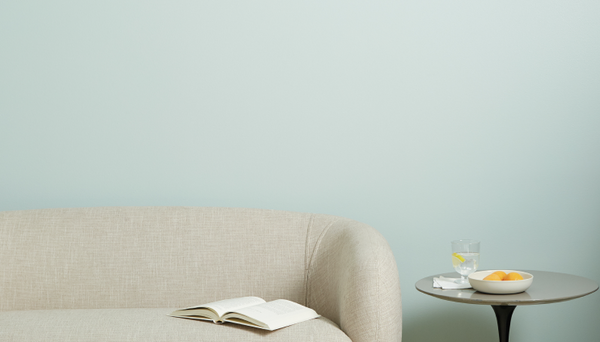
How Does Lighting Affect Paint Color? Everything You Need to Know
Why your walls look different throughout the day.

You picked the perfect paint color. You swatched it. You painted the wall. You stood back...Wait. Why does it suddenly look bluer? Or darker? Or somehow completely different than it did yesterday?
Don't worry! You didn't choose the wrong paint. More often than not it's the lighting. One of the biggest surprises for homeowners is discovering that paint color isn't static. It changes depending on the amount and type of light in the room, which is why understanding how lighting affects paint color can save you from second-guessing your decision after you've already painted.
The good news? Once you know what to look for, choosing the right color becomes much easier.
Why Does the Same Paint Color Look Different?
Paint doesn't actually change color, but the light reflecting off of it does.
Every paint color has undertones (subtle hints of other colors), and different types of light highlight those undertones in different ways. That's why a warm greige can suddenly feel pink in one room or a cool white can look slightly blue in another.
How Natural Light Affects Paint Color
Natural light changes constantly throughout the day, which means your walls are putting on a tiny color show from sunrise to sunset.
Morning Light
Morning light tends to be softer and slightly cooler. Colors may appear crisp, muted or a touch brighter than expected.
Midday Light
When the sun is highest, colors are often shown in their truest form. This is one of the best times to evaluate a paint color because it isn't heavily influenced by warm or cool lighting.
Evening Light
As the sun sets, natural light becomes warmer and more golden. Warm paint colors often look richer and cozier, while cooler colors can become softer or slightly grayer.

@jaymesquires
Your Room's Direction Matters, Too
The direction your windows face also plays a major role.
North-Facing Rooms
North-facing rooms receive cooler, indirect light throughout the day. Paint colors often appear darker and slightly cooler than they do on the swatch. If your room feels a little gloomy, warmer paint colors can help balance the space.
South-Facing Rooms
South-facing rooms get abundant, warm sunlight. Colors usually look brighter, lighter, and warmer, making this one of the easiest lighting conditions for paint.
East-Facing Rooms
East-facing rooms enjoy bright morning sun before becoming cooler later in the day. Expect noticeable changes from morning to afternoon.
West-Facing Rooms
West-facing rooms stay relatively neutral early on, then become dramatically warmer as afternoon and evening sunlight pours in.
How Artificial Light Affects Paint Color
Once the sun goes down, your light bulbs take over, and they can change the appearance of paint just as much as daylight does.
Warm White Bulbs
These create a cozy, inviting glow that enhances warm colors like creams, beiges, terracottas and soft pinks. Cooler colors may look slightly muted under warm lighting.
Cool White Bulbs
Cool white lighting feels cleaner and brighter. It can emphasize blue, green and gray undertones while making some warm colors appear less rich.
Daylight Bulbs
These bulbs mimic natural daylight and often reveal colors more accurately. They work well in workspaces, bathrooms and laundry rooms where bright, true-to-color lighting is helpful.
Why Whites and Grays Can Be the Trickiest
If you've ever searched for the "perfect white," you already know they're surprisingly complicated. White and gray paints are especially sensitive to lighting because their subtle undertones become much more noticeable as light changes.
A white that looks warm and creamy online may feel crisp in a sunny room or unexpectedly yellow under warm bulbs. Likewise, a gray can shift between blue, green, purple or taupe depending on the room. That's exactly why we always recommend swatching before committing.
How to Choose a Paint Color with Confidence
The easiest way to avoid surprises is to see your color in your actual space before painting.
Here are a few simple tips:
Test our large Peel-and-Stick Swatches
Move your swatch around the room. Place it on different walls and near windows.
Look at it throughout the day. Check it in the morning, afternoon, evening and with your lights turned on.
Consider your flooring, furniture and decor. Surrounding colors can influence how paint is perceived.
Don't rush the decision. Live with your swatches for a day or two before choosing.
Let Your Room Be the Guide
Lighting is one of the biggest factors in how paint looks, but it doesn't have to be intimidating.
Understanding how lighting affects paint color simply means you'll make a more informed choice and avoid that "why does this look different?" moment after painting.
That's why we make it easy to test colors where they matter most: in your own home. Our Peel-and-Stick Swatches let you see how colors shift from bright morning sunshine to cozy evening lamp light, so you can feel confident before opening a single can.
Because the best paint color isn't just the one you love on a screen, it's the one you'll love at every hour of the day.
Related:
Tags:

We make paint shopping simple with curated colors, zero VOC paint and everything you need to create a home you love, delivered.


